PMP Training

Project Management Professional (PMP®) Certification Training

Projekt Arena Video ad
1000+

PMP Certification Training Modules

Lesson 1: Business Environment
  • 1.1Foundation
  • 1.1.1. Foundational project management concepts.
  • 1.1.2 Project management principles.
  • 1.1.3. The Agile Mindset.
  • 1.1.4. Tailoring mindset.
  • 1.2. Strategic Alignment
  • 1.2.1. Define strategic alignment and business acumen.
  • 1.2.2. Follow guidelines for effective business decision-making.
  • 1.2.3. Explore organizational influences on projects.
  • 1.2.4. Explain how projects align with broader organizational strategy and global trends.
  • 1.3. Project Benefits and Value
  • 1.3.1. Evaluate and deliver project benefits and value.
  • 1.3.2. Execute project with the urgency required to deliver business value.
  • 1.4. Organizational Culture and Change Management
  • 1.4.1. Support organizational change.
  • 1.5. Project Governance
  • 1.5.1. Establish project governance structure.
  • 1.6. Project Compliance
Lesson 2: Start the Project

  • 2.1. Identify and Engage Stakeholders
  • 2.1.1 Collaborate with stakeholders.
  • 2.1.2 Engage stakeholders.
  • 2.1.3 Manage Communications.
  • 2.2. Team Formation
  • 2.2.1 Empower team members and stakeholders.
  • 2.2.2 Ensure knowledge transfer for project continuity.
  • 2.2.3 Engage and support virtual teams.
  • 2.3. Build Shared Understanding
  • 2.3.1 Lead a team.
  • 2.3.2 Negotiate project agreements.
  • 2.3.3 Build shared understanding.
  • 2.3.4 Define team ground rules.
  • 2.4. Decide Project Approach/Methodology
  • 2.4.1 Determine appropriate project methodology/methods and practices.

Lesson 3: Plan the Project

  • 3.1. Planning Projects: Understand Predictive and Adaptive Approaches.
  • 3.2. Scope
  • 3.2.1 Execute project with the urgency required to deliver business value.
  • 3.2.2 Plan and manage scope.
  • 3.2.3 Plan and manage project/phase closure or transitions.
  • 3.3. Schedule
  • 3.3.1 Plan and manage schedule.
  • 3.4. Resources
  • 3.4.1 Build a team.
  • 3.4.2 Plan and manage procurement (resources).
  • 3.5. Budget
  • 3.5.1 Plan and manage budget and resources.
  • 3.6. Risks
  • 3.6.1 Assess and manage risks.
  • 3.6.2 Plan and manage project compliance.
  • 3.7. Quality
  • 3.7.1 Plan and manage quality of products / deliverables.
  • 3.7.2 Plan and manage project compliance.
  • 3.8. Integrate Plans
  • 3.8.1 Integrate project planning activities.
  • 3.8.2 Manage project changes.

Lesson 4: Lead the Project Team

  • 4.1. Craft your leadership style.
  • 4.1.1 Lead a team.
  • 4.1.2 Engage and support virtual teams.
  • 4.2. Create a collaborative Project team Environment
  • 4.2.1 Manage Project Artifacts.
  • 4.3. Empower the Team
  • 4.3.1 Lead a Team.
  • 4.3.2 Empower team members and stakeholders.
  • 4.4. Support Team Member Performance
  • 4.4.1 Support Team Performance.
  • 4.4.2 Promote Team Performance through the application of Emotional Intelligence.
  • 4.5. Communicate and Collaborate with Stakeholders
  • 4.5.1 Manage Communications.
  • 4.5.2 Engage Stakeholders.
  • 4.5.3 Collaborate with Stakeholders.
  • 4.5.4 Evaluate and Deliver Project Benefits and Value.
  • 4.6. Train Team Members and Stakeholders
  • 4.6.1 Ensure team members/stakeholders are adequately trained.
  • 4.6.2 Mentor relevant stakeholders.
  • 4.7. Manage Conflicts
  • 4.7.1 Manage Conflict.
  • 4.7.2 Define Team Ground Rules.
  • 4.7.3 Build Shared Understanding.

Lesson 5: Support Project Team Performance

  • 5.1. Implement Ongoing Improvements
  • 5.1.1 Continuous Improvement.
  • 5.2. Support Performance
  • 5.2.1 Support Performance.
  • 5.2.2 Manage Communications.
  • 5.2.3 Empower Team Members and Stakeholders.
  • 5.2.4 Build a Team.
  • 5.2.5 Engage and Support Virtual Teams.
  • 5.2.6 Manage Project Artifacts.
  • 5.2.7 Determine appropriate project methodology/methods and practices.
  • 5.3. Evaluate Project Progress
  • 5.3.1 Plan and Manage Scope.
  • 5.3.2 Plan and Manage Schedule.
  • 5.3.3 Plan and Manage Budget and Resources.
  • 5.3.4 Execute Project with the Urgency required to Deliver Business Value.
  • 5.3.5 Plan and Manage Quality of Product/Deliverables.
  • 5.4. Manage Issues and Impediments
  • 5.4.1 Manage Project Issues.
  • 5.4.2 Address and Remove Impediments, Obstacles, and Blockers for the Team.
  • 5.5. Management Changes
  • 5.5.1 Evaluate and Address External Business Environment Changes for Impact on Scope.
  • 5.5.2 Manage Project Changes.

Lesson 6 Close the Project/Phase

  • 6.1. Project/Phase Closure
  • 6.1.1 Negotiate Project Agreements.
  • 6.1.2 Plan and Manage Project/Phase Closure or Transactions.
  • 6.2. Benefits Realization
  • 6.2.1 Evaluate and Deliver Project Benefits and Value.
  • 6.3. Knowledge Transfer
  • 6.3.1 Ensure Knowledge Transfer for Project Continuity.

PROJECT MANAGEMENT PROFESSIONAL (PMP).

The Project Management Professional (PMP®) certification is globally recognized as the gold standard for project management excellence. However, success in the PMP exam and the real professional value gained from the credential depends largely on the quality and relevance of your training.

At Projekt Arena Consulting Services, we deliver comprehensive PMP® exam preparation designed to equip professionals with both the knowledge required to pass the exam and the practical skills needed to excel in real-world project environments. Our training is aligned with the latest PMP Exam Content Outline (ECO) and integrates proven project management principles, real-life scenarios, and best practices drawn from extensive industry experience.

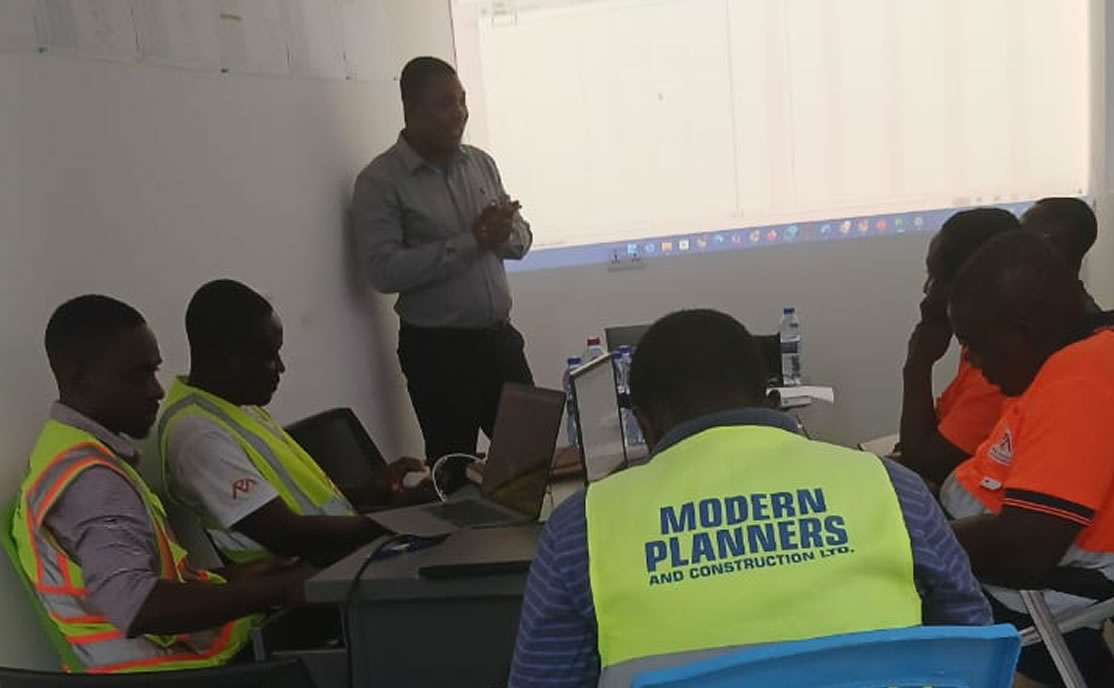
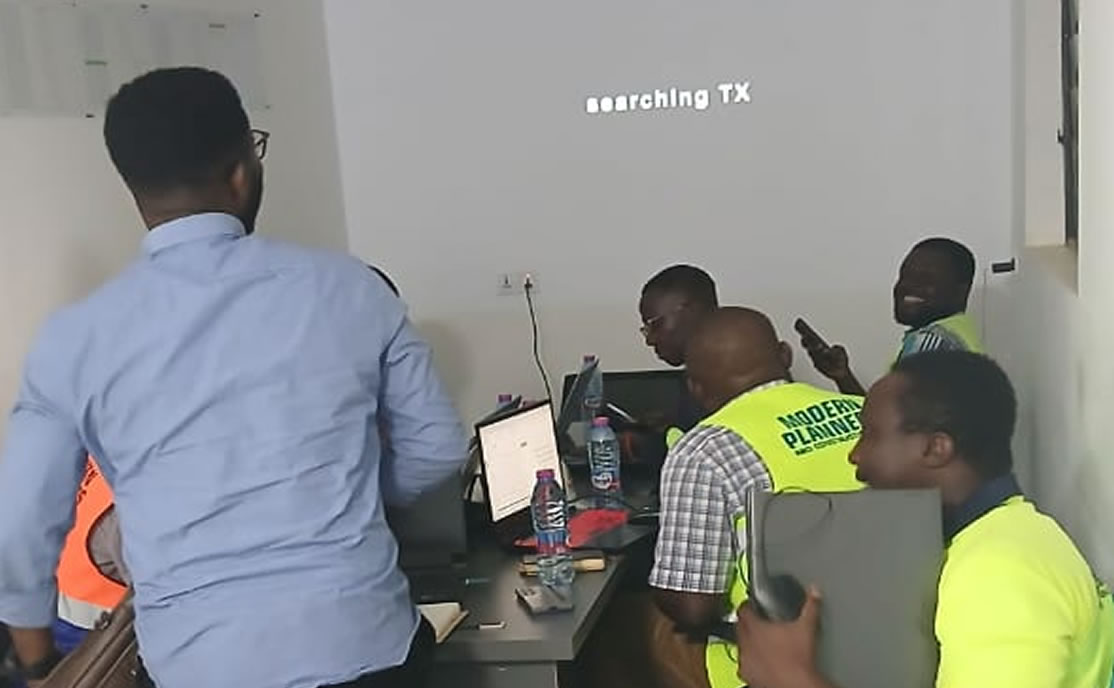
Led by seasoned PMP - certified instructors, our program goes beyond exam preparation to focus on practical application, critical thinking, and long-term career growth, helping participants build confidence, competence, and lasting professional impact.

PMP Certification Validates your skill in:

  • Motivating people and teams through all phases of a successful project.
  • Using predictive, agile and hybrid approaches to determine which way of working is best for each project.
  • Highlighting the success of a project and its impact on overall strategic organizational goals.

This course is ideal for practicing Construction professionals, event planners, engineers, bankers, architects, scientists, medical practitioners, legal practitioners and in fact, anyone who is interested in building a career in project management.

Skills You Will Gain From Our PMP Training

  • Mastering Risk Management and Mitigation.
  • Project Leadership Skills.
  • Influencing and Negotiation Skills.
  • Budget and Schedules Management.
  • Driving Project Quality and Continuous Improvement.
  • Comprehensive appreciation of Project Management approaches.
Projektarena PMI

Key Training Features

  • Thirty-five (35) contact hours of effective and interactive tuition.
  • Access to digital training and reference materials.
  • Access to 1000+ PMP simulation questions from PMI Study Hall.
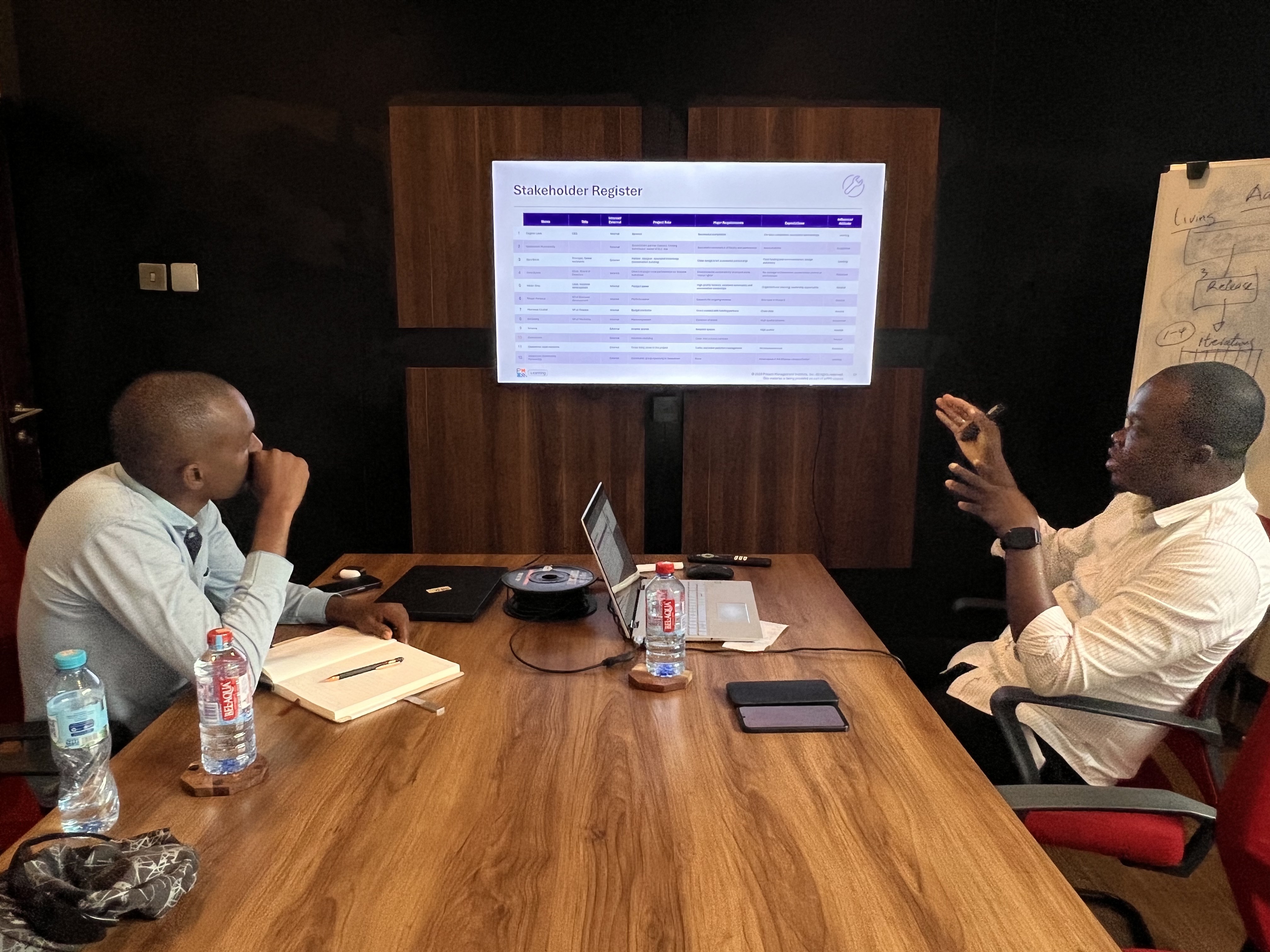
  • Experiential learning through case studies.
  • Access to class recordings for review.
  • Free PMP exams prep support.
  • Free PMP application Assistance.
  • Access to PMBOK Guide 7th and 8th Editions.
  • Certificate of completion is awarded.

The Compelling Benefits of PMP Certification

  • Gain Credibility and Recognition in the Project Management Field.
  • Enhance Your Earning Potential with Higher Salaries.
  • Develop Comprehensive Project Management Expertise.
  • Improve Your Employability and Job Prospects.
  • Expand Your Global Reach and Opportunities.


Why you should choose us?

  • Expert Instructors.
  • Exam Preparation Support.
  • Flexible Learning Options.
  • Comprehensive Training modules.
  • Opportunity to intern with us on some of our ongoing projects.
Projektarena PMP

Instructor's Profile

Stephen Owusu Koranteng, PMP.
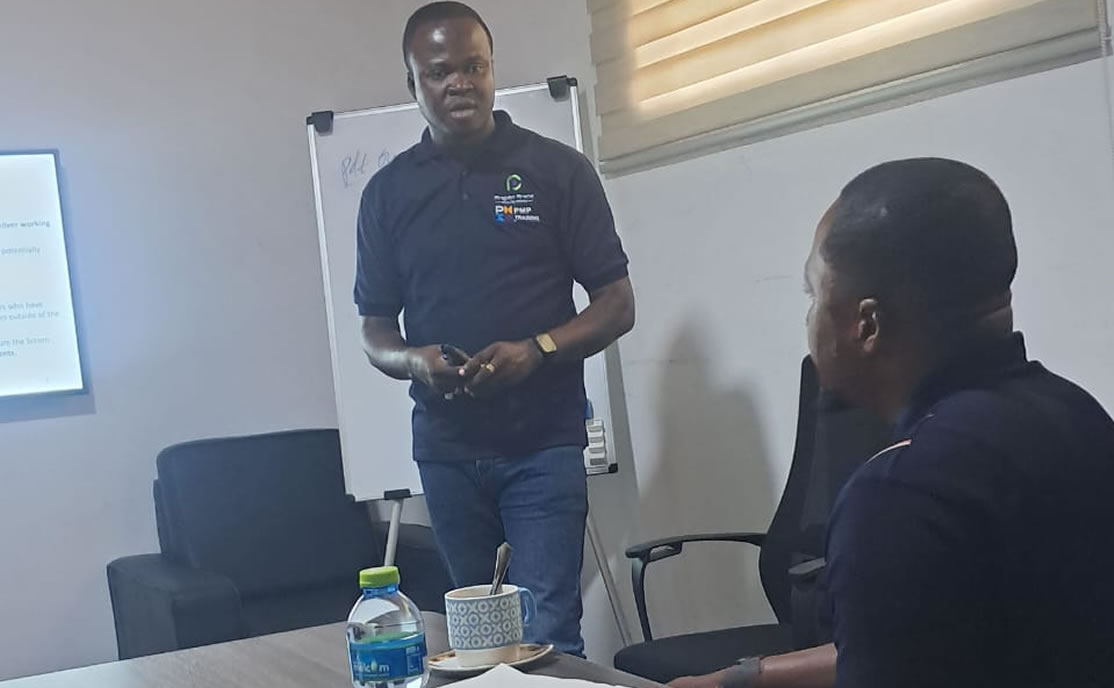
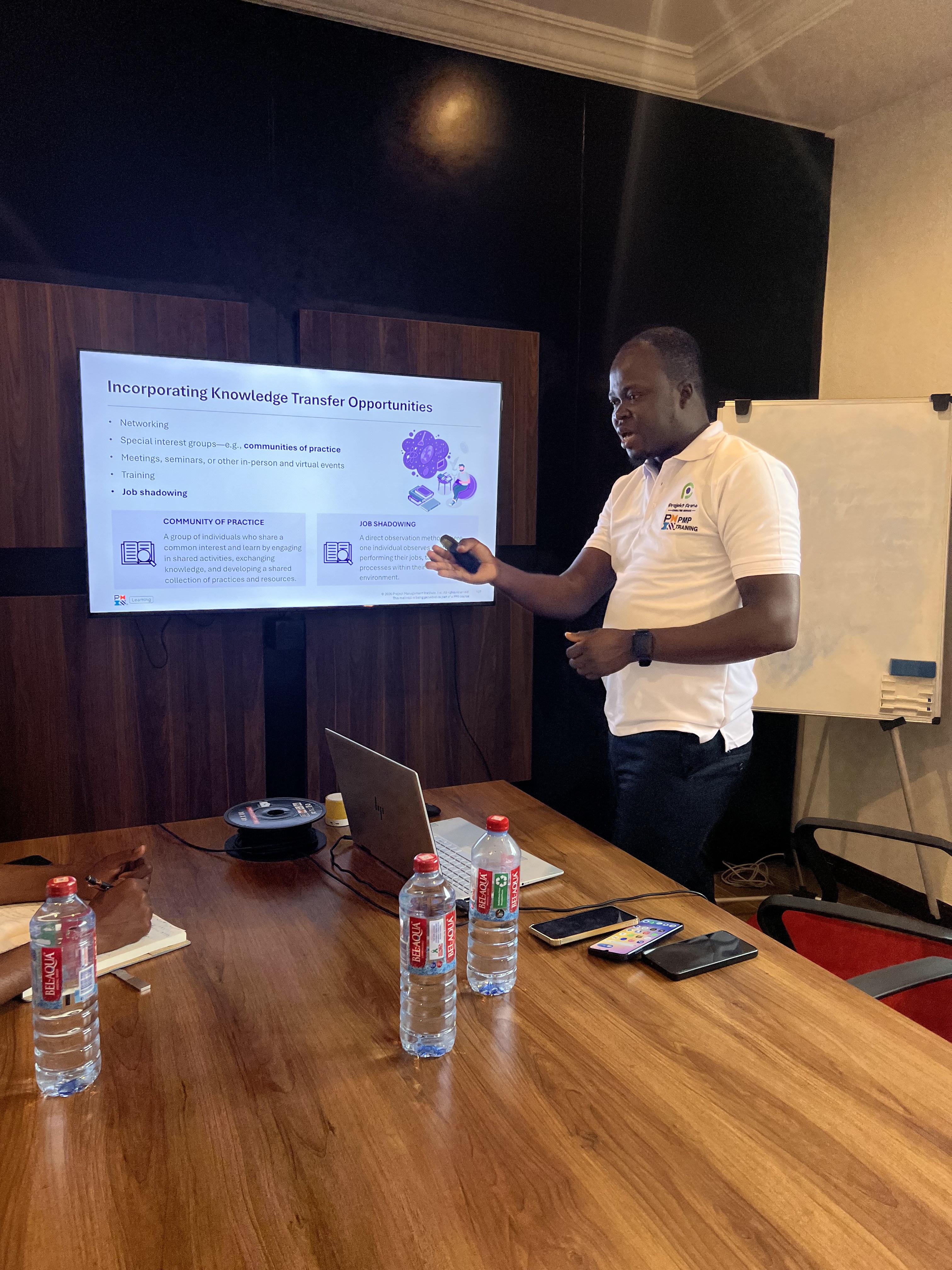
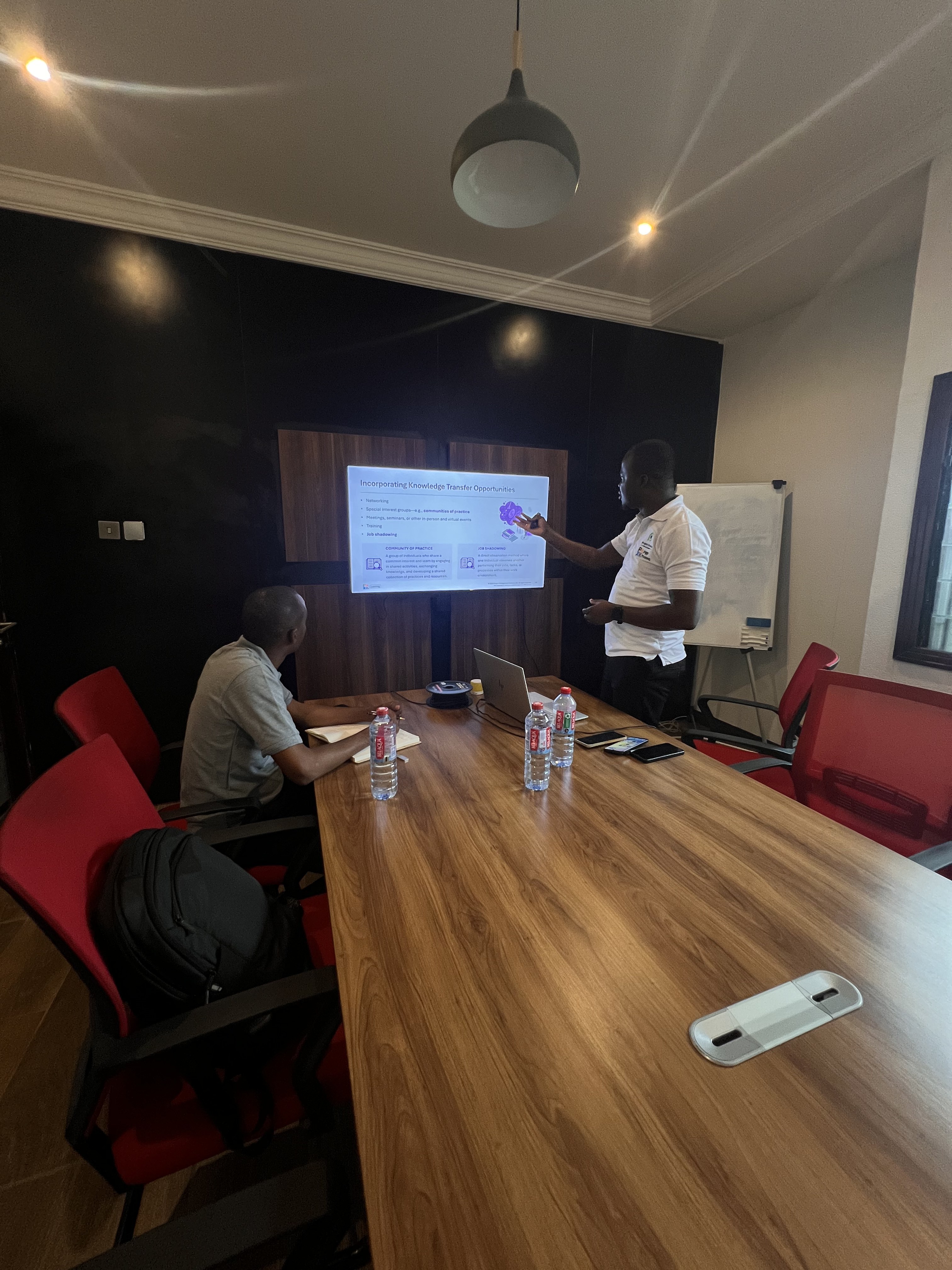
Stephen Owusu-Koranteng is a Project Management Professional (PMP) and PMI Authorized Training Partner Instructor (ATPI) with over a decade of experience in project delivery, advisory, and professional capacity building. He earned his PMP certification in 2017 and was accredited by PMI as an Authorized Training Partner Instructor in 2023. He has facilitated over 100 PMP training sessions, training more than 1,000 professionals from diverse industries across Africa. Stephen delivers training using PMI-approved content, tools, and instructional methodologies, ensuring candidates are fully aligned with the PMP Examination Content Outline and PMI’s principles-based approach.

His facilitation style emphasizes concept mastery, real-world application, and exam readiness, enabling participants to confidently pursue PMP certification and apply best practices in their organizations.
Professional PMP Instructor

Stephen Owusu Koranteng

Authorized Training Partner Instructor - PMP

HOW TO GET PMP-Certified

Before starting, ensure you meet PMI’s eligibility criteria:

Experience: 4,500 hours (about 3 years) of project management experience with a four-year degree, or 7,500 hours (about 5 years) with a secondary degree.

Education: 35 hours of project management education.

Projekt Arena Consulting Services offers various training formats. Choose the one that best suits your needs.
Online Training: Flexible and convenient, allowing you to study from anywhere.
In-Person Training: Classroom-based learning with direct interaction with instructors and peers.
Self-Paced Training: Learn at your own speed, which is ideal for those with a busy schedule.

Course Selection: Review the PMP training programs offered by our expert Authorized Training Providers (ATPs). The program shall cover the latest PMBOK guide and includes comprehensive exam preparation.
Registration: Select your preferred training option and enroll. A training consultant is always available to support you through the registration process.
Materials: You will be given all the required study materials, including the latest PMBOK guide, practice exams, and other useful resources to make your studies seamless and enjoyable.

Attend Sessions: You will be required to participate in all the training sessions, whether online, in-person, or self-paced. If you miss a session, you will be able to catch up by reviewing the recordings, which will be shared at the end of every session.
Engage: Actively engage with instructors and peers to deepen your understanding.
Study: Dedicate time outside of sessions to study and review materials.

Mentorship: Take advantage of any mentorship or coaching services offered by our instructors.
Study Groups: Join study groups or forums to discuss difficult concepts and share insights.
Additional Resources: Access additional resources such as webinars, workshops, and Q&A sessions provided by us.

Create a PMI Account: Register on the PMI website, www.pmi.org. Application: Complete and submit the PMP application, detailing your project management experience and education. We will offer guidance on filling out the application accurately. Review: Wait for PMI to review your application. Be ready to provide further documentation if requested.

Exam Fee: Pay the exam fee ($405 for PMI members, $555 for non-members). Currently the PMI exams is on discount.
Schedule Exam: Once approved, schedule your exam at a convenient testing center or online through PMI’s testing partners.
Final Preparation: Continue studying and utilize any final review sessions or mock exams offered by Projekt Arena.

Exam Day: Ensure you are well prepared and rested. Arrive early at the testing center or set up a conducive environment if you taking the exam online.
Exam Strategy: Apply effective test-taking strategies, such as time management and careful reading of questions. We will give you more tips on this prior to taking the test. You will pass your PMP exams on your first attempt, our promise to you.

Continuing Education: Earn 60 PDUs every three years to maintain your certification. You can earn PDUs by putting the knowledge acquired into professional use, participating in seminars, workshops, taking courses, engaging in other educational activities and reviewing webinars.

Have More questions to ask?.

Contact Us

FAQs on PMP Certification

PMP stands for Project Management Professional. It is globally recognized certification offered by the Project Management Institute PMI®.

    By enrolling in PMP Course, you will get the chance to better understand the Project Management concepts. Our PMP Course has the following objectives:
  • Learn about PMI – the best practices and standards for Project Management
  • Meet the 35 contact hours requirement by completing the PMP Training
  • Prepare for the PMP Certification Exam
  • Train to handle projects within an organisation
  • Lead projects by focusing on project outputs and benefits
  • Learn about all the project management terms and practices used worldwide
  • Apply the tool and techniques involved in the project lifecycle
  • Gain knowledge of all the factors that influence a project
  • Train in project manager skills
  • Analyze all the areas of project management

Yes, PMP certification can significantly enhance your career by opening up new job opportunities and demonstrating your expertise in project management.

Currently, the exam fee is on discount for some Africa countries which Ghana is privilege to be part. For PMI members is $284 for non-PMI members $389. PMI membership fee is $139. PMP exams are available throughout the year, and candidates can check the PMI website for specific scheduling details.

Yes, you will receive a certificate of completion showing that you completed the PMP Course and earned the 35 contact hours required for you to take the exam.

Passing the Project Management Professional (PMP) Certification Exam requires thorough preparation, scoring at least 80% in our mock test is important to have a real chance in passing the actual exam and a good understanding of project management concepts. Here is a systematic guide to help you succeed:

  • Understand the Exam Content.
  • Meet the Eligibility Requirements.
  • Study the PMBOK Guide.
  • Use Additional Study Materials.
  • Create a Study Plan.
  • Practice with Sample Questions.
  • Review and Revise.

PDU stands for Professional Development Unit, which is a measuring unit used to quantify approved learning and professional service activities.

A PMP certified individual can earn PDUs by participating in professional development activities such as educational courses, giving presentations, giving presentations.

Yes, PMP certificate expire after three years. Therefore, PMP certified professionals need to continuously earn PDUs to maintain their certification.

Have More questions to ask?.

Contact Us