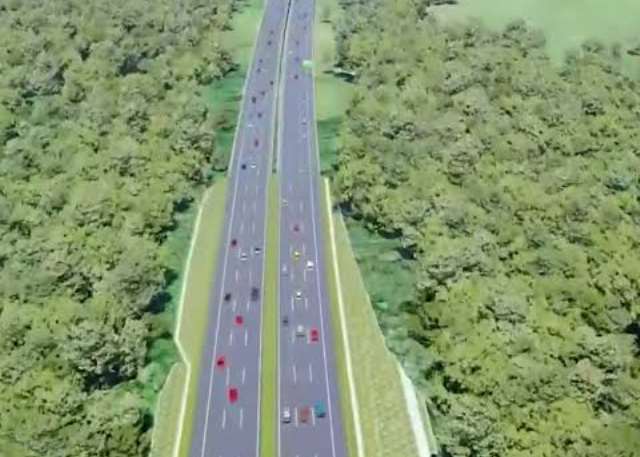
The Accra - Kumasi Expressway - A defining test of Ghana’s project management maturity.
The proposed Accra - Kumasi Expressway has captured national attention - and rightly so. As the backbone corridor connecting Ghana’s political capital to its commercial heartbeat, this highway is far more than a transportation project. It is a test of our project management discipline, our commitment to long-term planning, and our readiness to build infrastructure that matches future demand, not past capabilities.
From a project management standpoint, this expressway must be evaluated not just by its economic promise but by whether it embodies the features, standards, and performance indicators that truly define an expressway.
What Makes a Road an Expressway?
A true expressway is not simply a wide road. It is a carefully engineered system designed to maximize safety, speed, and efficiency. Key characteristics include:
1. Limited Access
An expressway restricts entry and exit to designated interchanges. No improvised U-turns, no roadside markets, no random pedestrian crossings. This is the foundation of speed and safety.
2. Grade Separation
Intersections with other roads, rail, or pedestrian routes must be separated using overpasses and underpasses, eliminating conflict points that slow traffic and create accidents.
3. Multiple Carriageways
A dual carriageway with a median barrier is non-negotiable. This prevents head-on collisions - a frequent cause of fatalities on Ghana’s current highways.
4. Safety and Traffic Management Features
- Roadside barriers
- Clear signage and lane markings
- Emergency lanes (shoulders)
- Lighting along critical stretches
- Intelligent Transport Systems (ITS) such as speed cameras, variable message signs, and surveillance
5. Design for High-Speed Travel
Expressways are built with gentle curves, long sight distances, and gradual slopes, enabling safe travel at 100 - 120 km/h.
If the Accra - Kumasi project incorporates these standards - and enforces them - it will stand as one of Ghana’s most ambitious modern infrastructure undertakings.
The Benefits Ghana Stands to Gain
1. Economic Acceleration
The corridor already handles a significant share of Ghana’s commercial traffic. A true expressway will:
- Cut travel time from 6–7 hours to under 3
- Reduce transportation costs for traders and logistics firms
- Boost productivity for millions of commuters
- Expand access to markets for agricultural and industrial zones
This translates to national GDP growth, not just convenience.
2. Reduced Road Fatalities
Ghana’s highways are among the most dangerous in the sub-region. A properly engineered and controlled expressway could cut accidents by over 60%, saving lives and decreasing the economic burden of road trauma.
3. Urban Expansion and Regional Development
The corridor could stimulate:
- New satellite towns
- Industrial clusters
- Real estate growth
- Tourism and commercial activity
Transforming the Accra - Kumasi axis into a mega-economic zone is entirely within reach.
4. Enhanced National Logistics Competitiveness
Reliable, high-speed roadway infrastructure is essential if Ghana aims to position itself as the leading logistics hub of West Africa under the AfCFTA.
What Project Managers and Policymakers Must Watch Out For:
1. Scope Creep and Political Interference
Large infrastructure projects in Ghana often lose their technical integrity due to political adjustments midstream. This expressway must remain engineer-led, not politically redesigned for optics.
2. Right-of-Way Management
Acquisition delays, community disputes, and compensation issues often derail timelines. Early, transparent engagement is crucial.
3. Quality Assurance
Cutting corners on materials or design is a long-term national liability. A 30–50-year infrastructural asset requires uncompromising QA/QC oversight.
4. Sustainable Funding
Expressways require:
- Long-term maintenance
- Tolling or fiscal mechanisms to sustain operations
- Transparent contract management
A funding model must be clearly communicated to avoid future deterioration.
5. Environmental and Social Impact
The corridor must:
- Avoid excessive deforestation
- Protect water bodies
- Integrate wildlife crossings where necessary
- Provide resettlement solutions that uphold dignity
Responsible development is not optional.
6. Enforcement After Completion
Even the best expressway fails without:
- Enforcement of access restrictions
- Regulation of commercial activities
- Continuous monitoring of traffic patterns
Ghana must avoid turning a world-class road into another busy highway cluttered with hawkers, illegal stops, and encroachments.
A Defining Moment
The Accra - Kumasi Expressway is more than asphalt and concrete. It’s a benchmark for Ghana’s capacity to deliver transformative projects using disciplined project management practices. If executed with integrity, foresight, and technical rigor, it could become the most impactful infrastructural investment of the century for Ghana.
This is not just a road. It is a national promise - and we must get it right.